Strategies to Increase Driver Safety and Connect Habitat for Elk and Other Wildlife along Corridor Q in Southwest Virginia
A first of its kind study in Virginia.
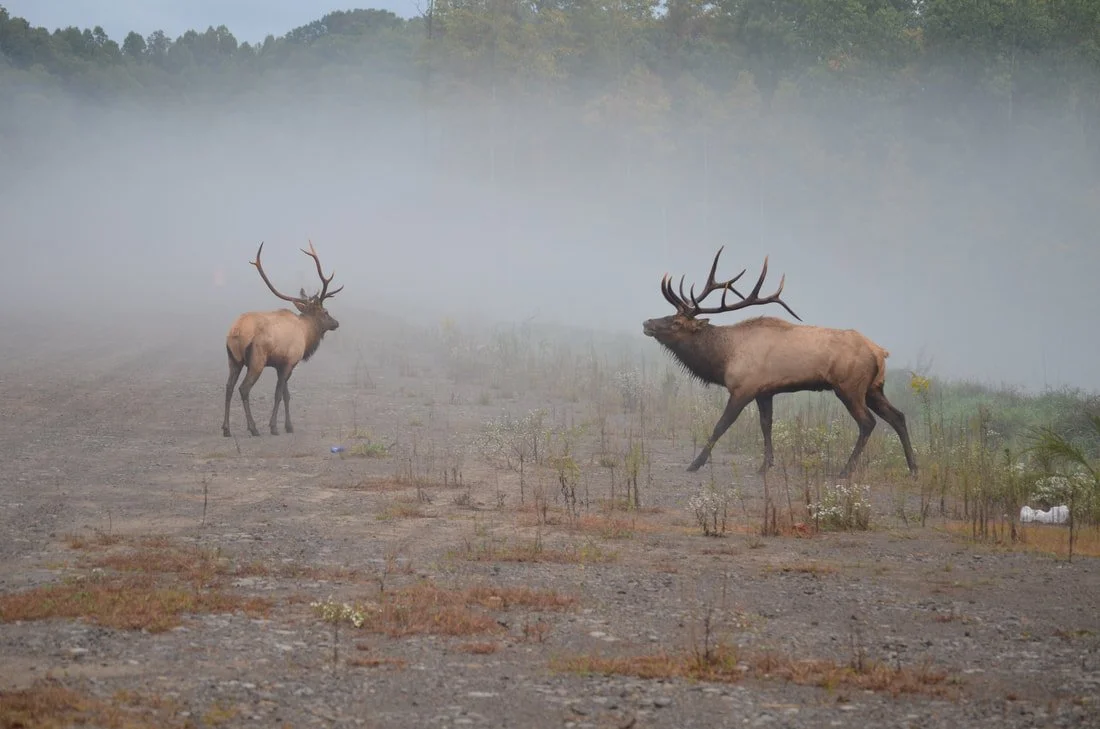
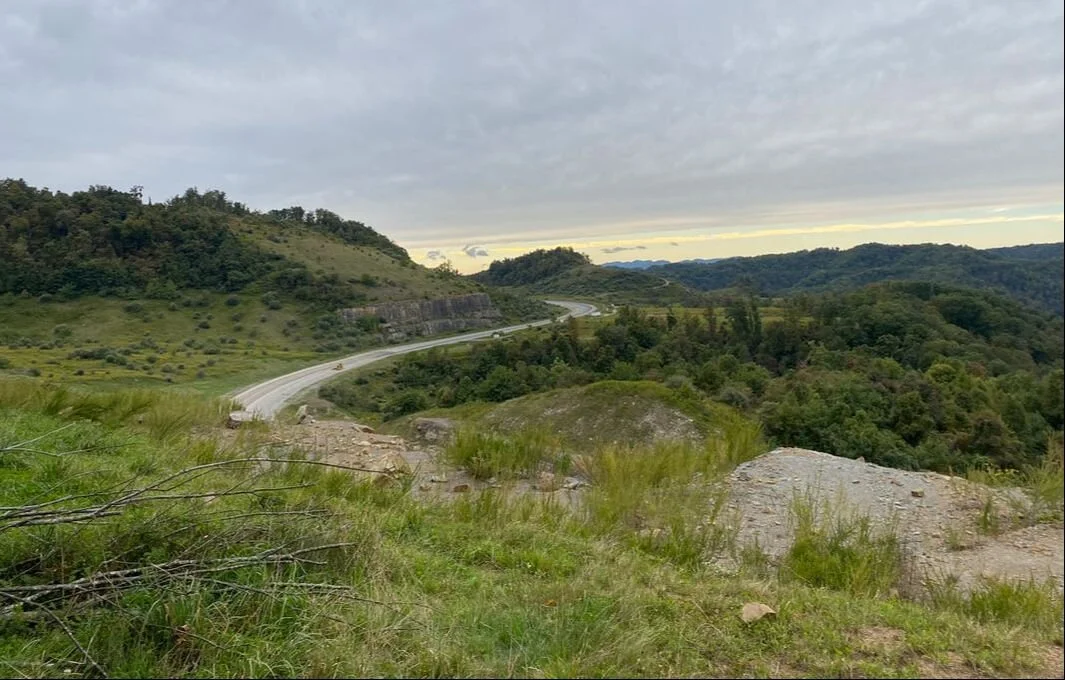
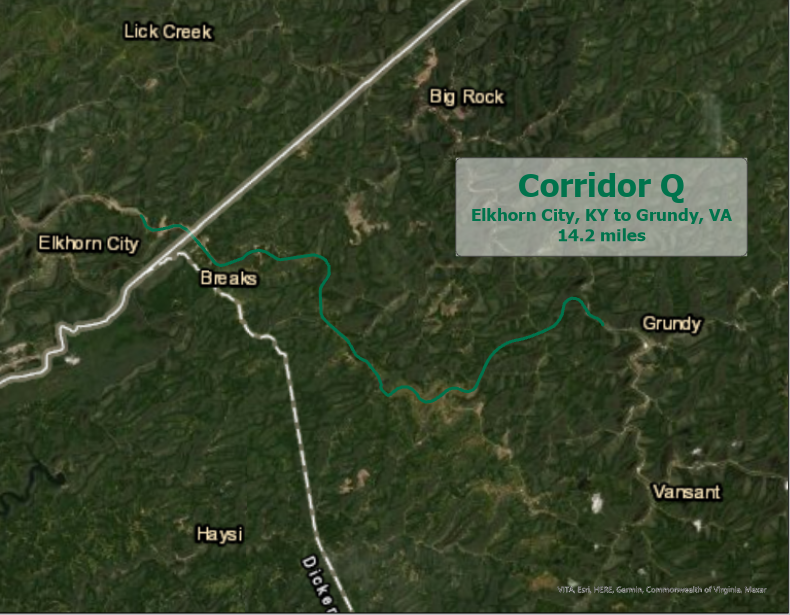
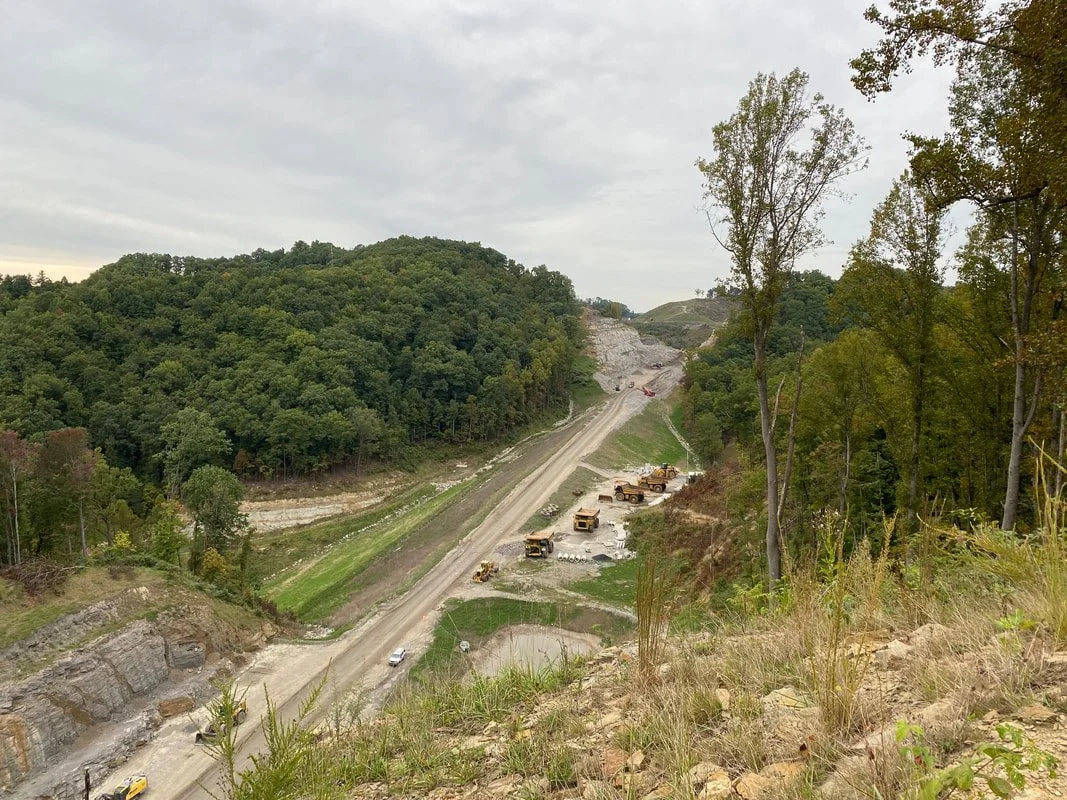
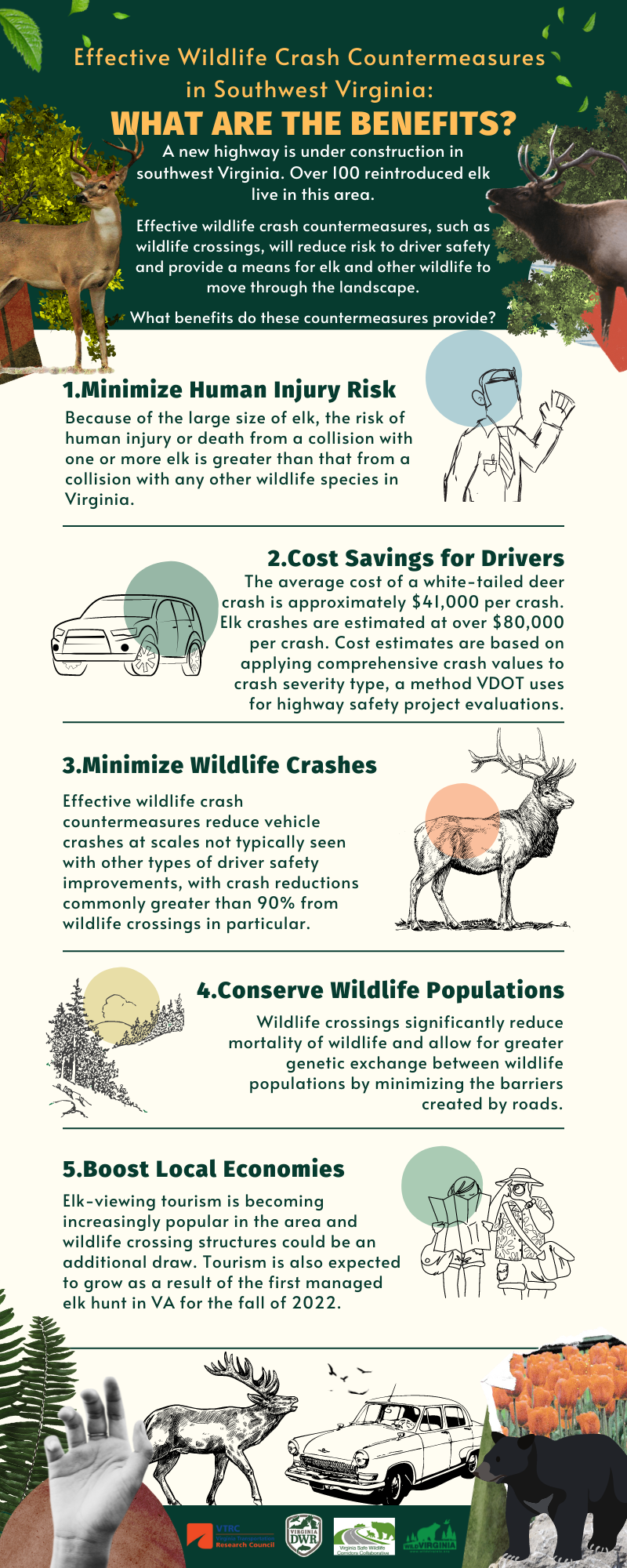
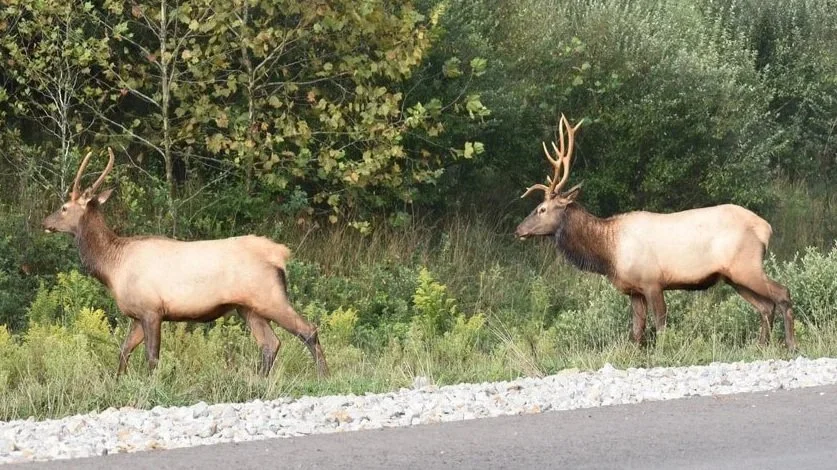
From 2012 to 2014, the Virginia Department of Wildlife Resources relocated 75 elk from Kentucky to reclaimed mined lands in Buchanan County. Today, Virginia’s total elk population includes over 250 animals. Approximately 100 elk inhabit the area along Corridor Q (U.S. Route 460). Corridor Q is a 14-mile segment of road associated with the Appalachian Highway Development System. The Corridor, most of which is currently under construction, is intended to generate economic development in previously isolated areas.
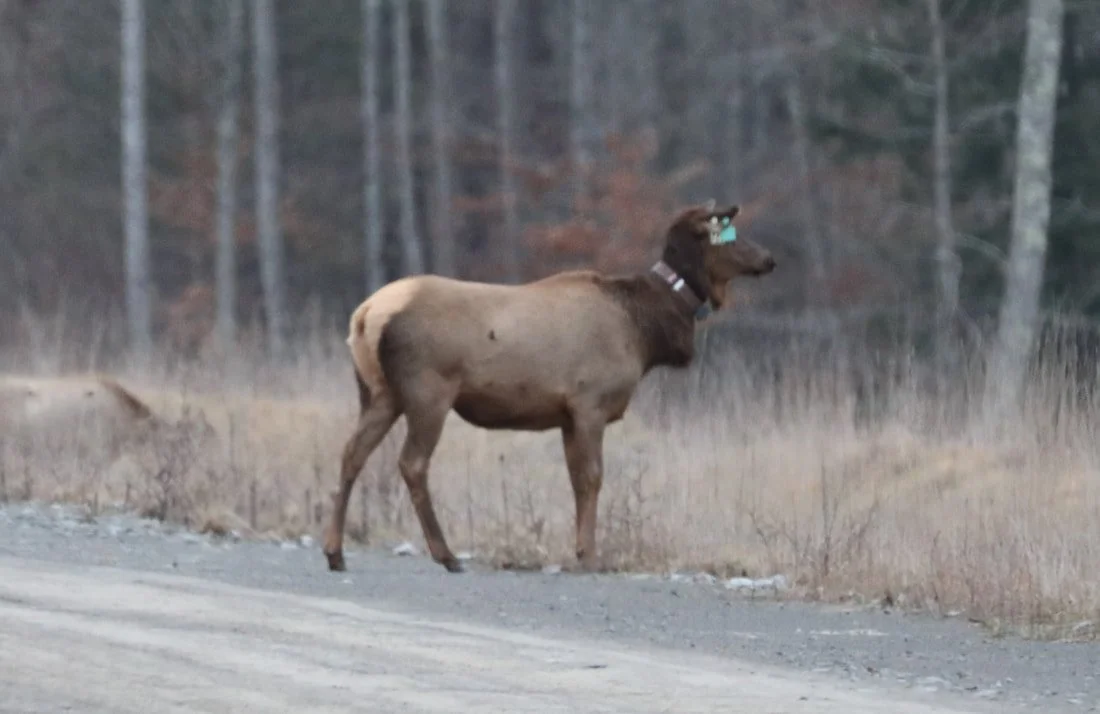
Location data obtained from GPS-enabled collars affixed to several members of the elk herd indicate the population’s strong preference for Corridor Q’s roadside habitat and immediate surroundings. According to State Farm collision data, Virginia is a high risk state with regard to collisions with wildlife -- drivers have a 1-in-75 chance of having a large animal-related accident on Virginia roads. The large body size of elk and the abundance of high-quality habitat along Corridor Q present even more significant challenges to driver and wildlife safety.
Read more here about Elk in Virginia: Return of a Native Species on the Virginia Department of Wildlife Resources page.
What is the purpose of this study?
This study aims to provide decision makers with design, placement, and funding opportunities for wildlife crossings and fencing along Corridor Q in southwestern Virginia. A parallel study is underway to evaluate the feasibility of the supplemental use of animal detection driver warning systems along the Corridor.
The research is being conducted by scientists and habitat connectivity specialists from the Virginia Transportation Research Council (the research division of the Virginia Department of Transportation), the Virginia Department of Wildlife Resources, the Wildlands Network, and ARC Solutions. The study will be completed in the spring of 2023.
WHAT BENEFITS WILL THIS STUDY PROVIDE?
Minimizing the risk of human injury and maintaining habitat connectivity for the newly established elk population are primary drivers of this research. The construction of a series of wildlife crossings along Corridor Q would also benefit a variety of other wildlife species in the area and is expected to support the economic growth of the local community.
Implementation of these measures will depend on funding availability. The final research report will provide science-based recommendations and cost-benefit analyses that can be used to inform funding decisions.
A particular focus on the benefit to local economies
The newly established elk population has been an important draw to the area, and elk-viewing tourism is becoming increasingly popular. Additionally, the Virginia Department of Wildlife Resources expects tourism to grow as a result of the first managed elk hunt in Buchanan, Dickenson, and Wise Counties in the fall of 2022.
Corridor Q is being constructed as part of an initiative to promote economic development in underserved communities. This intended benefit of Corridor Q can be fully realized with the implementation of measures proven to reduce the risk of elk-related crashes while also providing elk and other wildlife a safe means of moving through the landscape. Wildlife crossings would be an additional draw to Buchanan County and surrounding communities.
Benefits for all wildlife populations
While elk are the primary focus of the evaluation, other wildlife species are being considered with regard to minimizing wildlife crash risk and maintaining habitat connectivity.
STUDY AREA
Virginia's Corridor Q (U.S. Route 460) will connect Elkhorn City, Kentucky to Grundy in Buchanan County, Virginia. Virginia's western most 0.8 mile portion beginning at the Kentucky state line (which includes the state's tallest bridge over Grassy Creek) opened to the public in 2020 and is the only segment currently open to traffic. Construction is underway along the remaining portions. The 8-mile section to the east of the completed section will be open to traffic in 2023, followed by the opening of the adjoining 3-mile section in 2025. The easternmost 2-mile section that connects to Grundy will be open to the public in 2027.
Land surrounding Corridor Q contains areas identified by the Virginia Department of Conservation and Recreation's ConserveVirginia tool as areas of priority concern for conservation. (See a ConserveVirginia map to the left illustrating these areas.) The Corridor traverses significant areas of Natural Habitat and Ecosystem Diversity (bright yellow) and areas of Protected Landscapes Resilience (dark yellow).
HOW IS THIS STUDY BEING CONDUCTED?
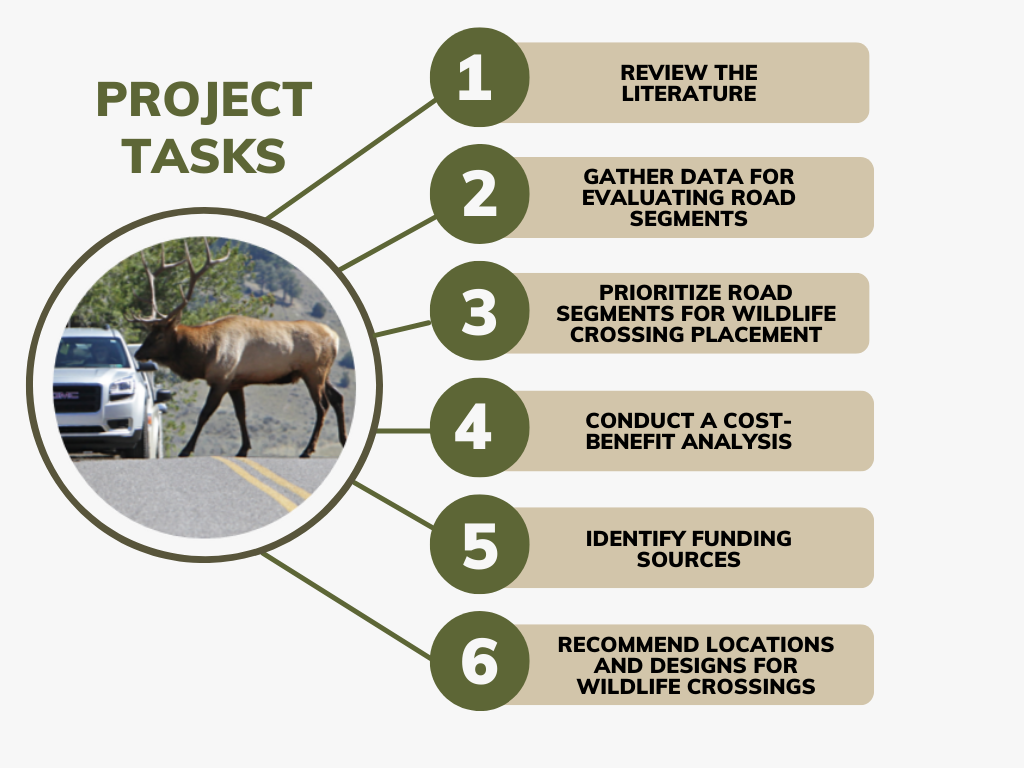
The research team will identify the optimal locations and designs for wildlife crossings connected with 8-ft tall fencing. To do this, road segments along the corridor are being evaluated based on elk distribution and habitat use (determined from GPS data from collared elk), terrain, land ownership, and human activity.
The study will also include a detailed cost benefit analysis to compare the costs of wildlife crossings with the expected savings from prevented crashes with elk and deer. Funding options for the implementation of wildlife crossings will also be explored.
Here's a look at some of the other species in the area that benefit from wildlife crossings:
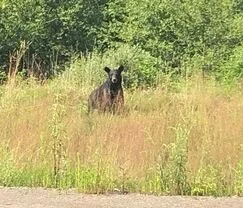
Black bear next to Corridor Q (Photo: Mark Hill, VDOT)
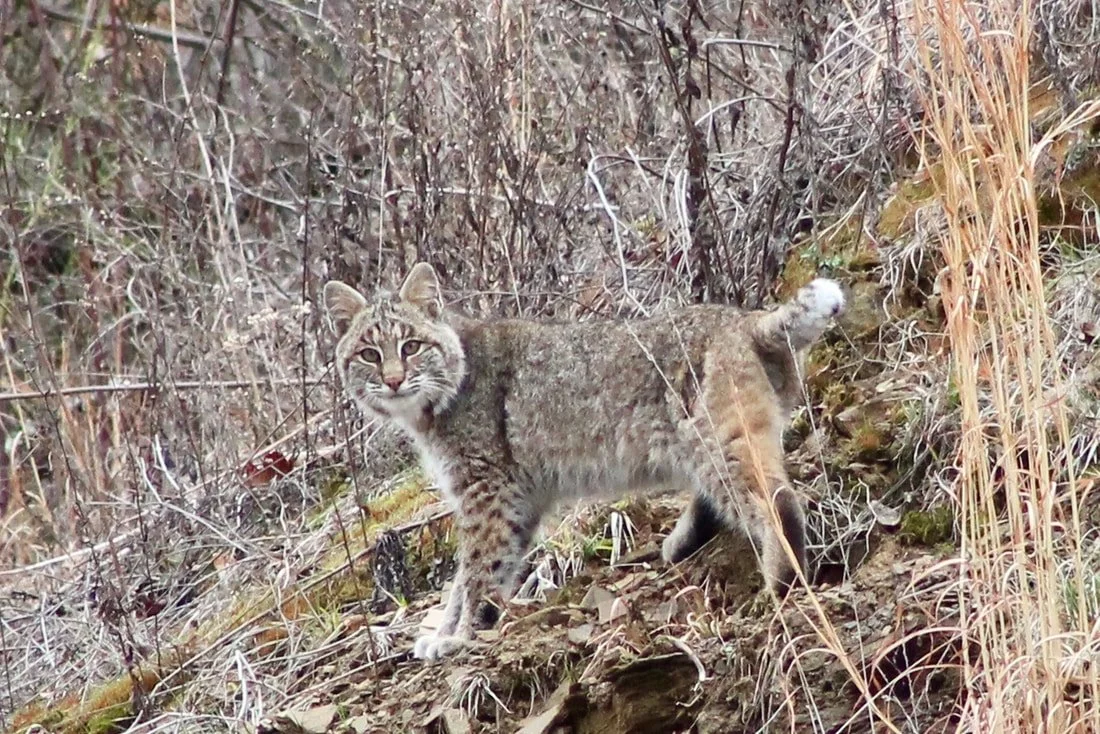
Bobcat next to Corridor Q (Photo: Mark Hill, VDOT)
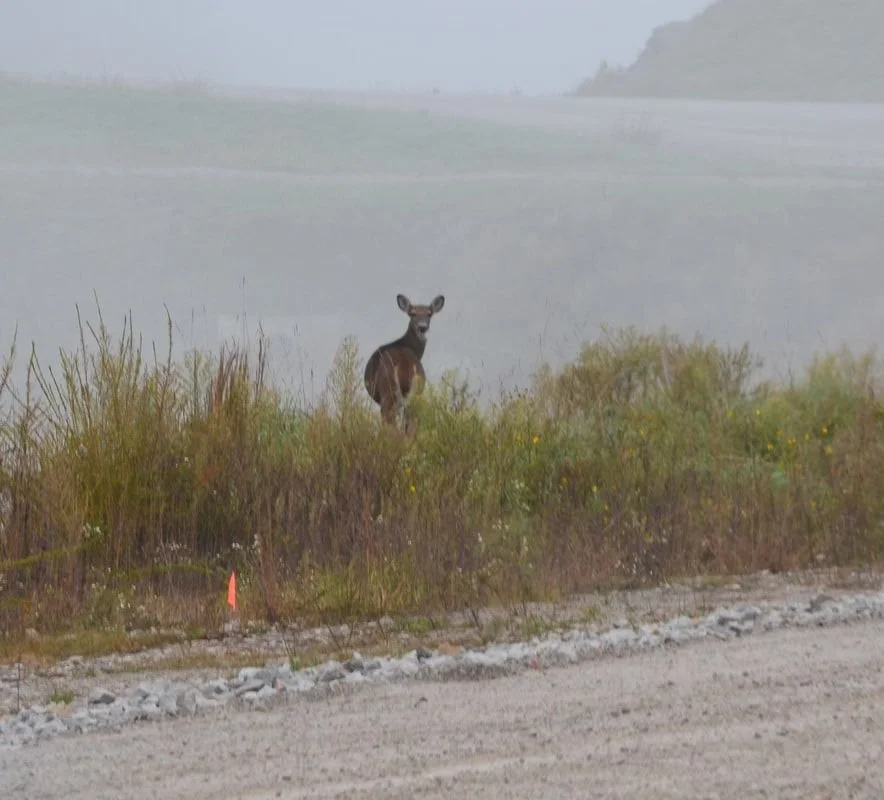
White-tailed deer along Corridor Q (Photo: Nick Huff)
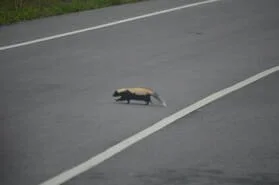
Striped skunk close to Corridor Q (Photo: Mark Hill, VDOT)
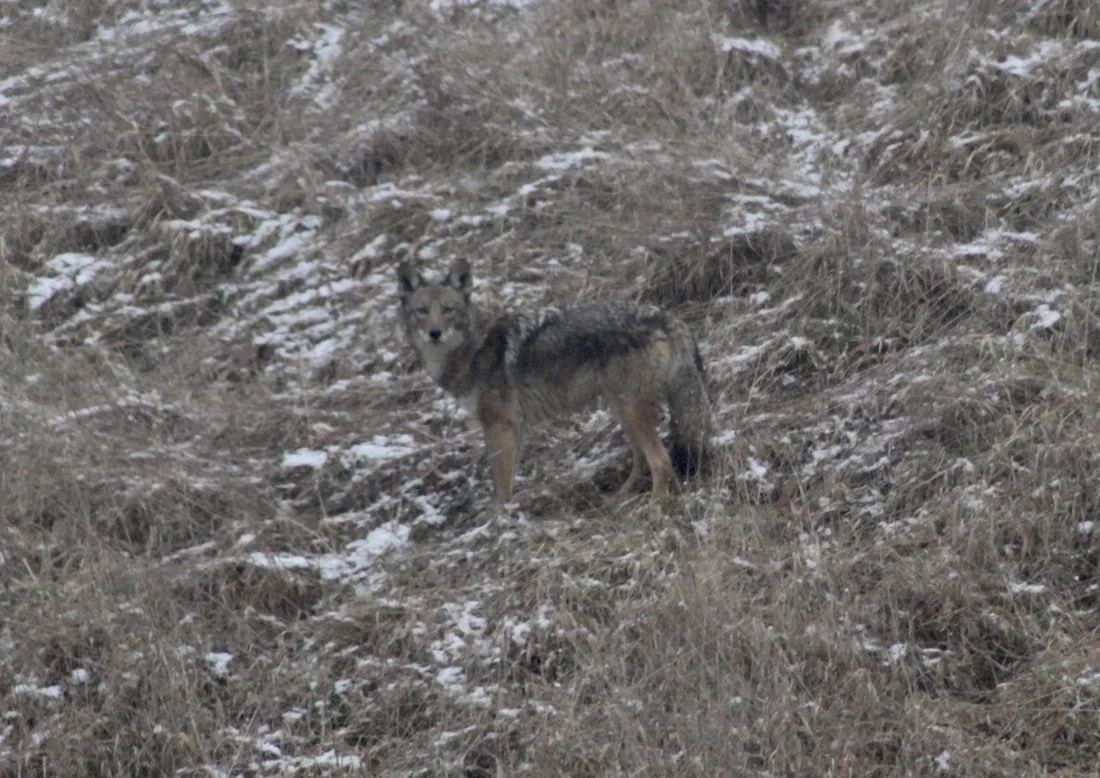
Coyote next to Corridor Q (Photo: Wes Ketron, VDOT)
WHAT ARE WILDLIFE CROSSINGS?
Wildlife crossings are underpasses or overpasses that allow wildlife to pass unharmed beneath or above a road to access important habitat. Although fencing alone can keep wildlife off the road, it creates a barrier to animal movement and genetic exchange.
Combining properly designed and located wildlife crossings with fencing is the most effective method for reducing wildlife crashes while also providing a means for wildlife to access both sides of the road.
RESOURCES ABOUT WILDLIFE CROSSINGS:
Rocky Mountain Elk Foundation: The Stats Prove It: Colorado Wildlife Crossings Offer Safe Passage
Rocky Mountain Elk Foundation: Wildlife Highway Crossings, Fences Reduce Collisions in Utah
I-90 Wildlife Bridges Coalition documentary Cascade Crossroads
Arizona Game and Fish: Wildlife Crossings - Bing video
National Geographic educational materials and information about wildlife crossings
Virginia Safe Wildlife Corridors Collaborative webpage about wildlife corridor and crossing resources
Dr. Liz Hillard's podcast on Wildlife Connectivity in the Pigeon River Gorge I-40 Corridor.
Project Supporters